
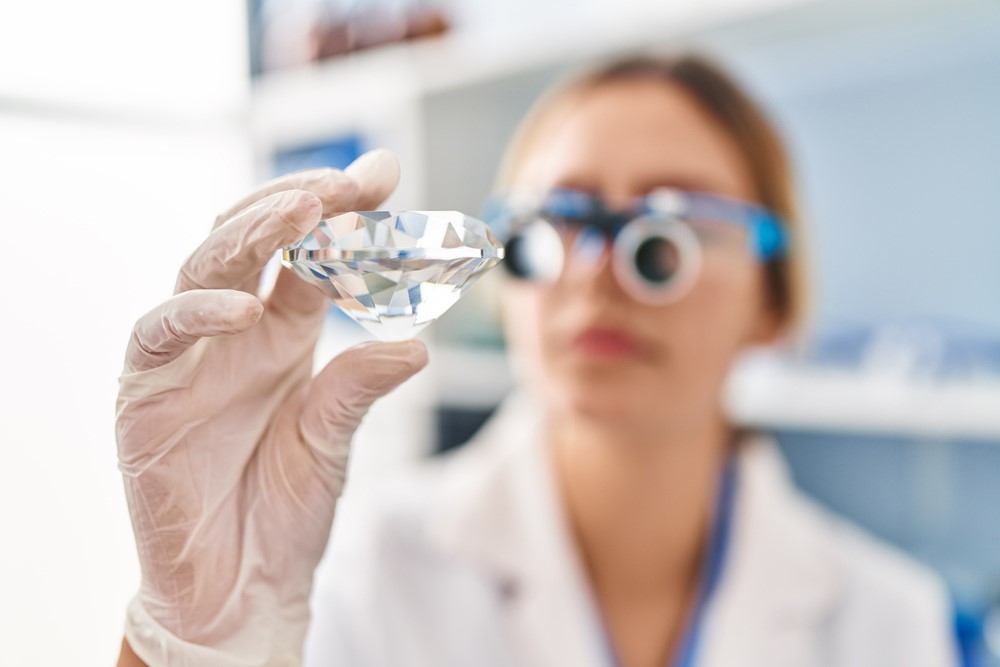
Lab diamonds are becoming popular in New Zealand because they cost 30% to 50% less than mined stones of equal size and quality, while offering identical physical properties. This price advantage lets buyers choose larger or higher-clarity stones within the same budget, driving demand across local jewelry retailers.
Why Lab Diamonds Are Becoming Cheaper in New Zealand
Lab diamonds NZ avoid mining costs, land rehabilitation fees, and complex international supply chains that inflate natural stone prices. Production happens in controlled facilities with predictable yields, so retailers pass savings directly to consumers without compromising carat weight or clarity grades. You’ll typically save enough to upgrade one full color grade or add 0.25 carats compared to a mined equivalent at the same price point.
| Factor | Lab Diamond | Mined Diamond |
| Price per carat | 30–50% lower | Market premium |
| Size for $5,000 | ~1.2 carats | ~0.8 carats |
| Clarity upgrade possible | Yes, common | Rare at same budget |
| Resale value retention | Lower | Higher but volatile |
How Do Regional Markets Like Lab Diamonds Singapore Compare?
Regional hubs such as lab diamonds Singapore often show even steeper discounts due to proximity to Asian manufacturing centers and lower import tariffs. New Zealand prices sit slightly higher because of shipping distances and smaller market volume, but still undercut mined alternatives significantly.
The trade-off is selection: Singapore’s larger inventory offers more fancy shapes and rare sizes, while NZ retailers focus on round brilliants and princess cuts that move fastest locally. If you’re considering purchasing abroad, factor in customs duties and certification verification costs that can erase initial savings.
Tip: Always request an IGI or GIA grading report before buying, regardless of origin — it’s your only guarantee of accurate specifications.
What Should You Check Before Buying?
Photo: labrilliante.com on Google
Verify the diamond has independent certification from IGI or GIA, not just a store-issued document. Confirm the retailer offers a return window long enough for third-party appraisal if needed. Ask whether the setting warranty covers lab-specific considerations like potential growth striations visible under magnification. Budget buyers sometimes skip these checks to maximize carat size, then discover undisclosed inclusions or fluorescence issues after purchase that affect both appearance and future resale options.
Frequently Asked Questions
Do lab diamonds test as real on diamond testers?
Yes, standard thermal conductivity testers identify them as genuine diamond because their crystal structure is identical. Only specialized equipment distinguishes lab from mined, which most jewelers don’t carry for routine verification.
Will lab diamonds lose value faster than mined ones?
Currently yes, as production capacity increases and consumer acceptance grows. However, this matters mainly for investment buyers; engagement ring purchasers rarely recoup costs regardless of origin.
Can insurers distinguish lab from mined diamonds?
Most policies now cover both equally based on replacement cost rather than origin. Specify “lab-grown” on your schedule to avoid disputes during claims, since premiums reflect actual replacement value.
Conclusion
Request side-by-side comparisons of lab and mined stones in your target budget at two or three certified NZ retailers before deciding. Seeing the size and clarity difference in person makes the value proposition concrete in ways online research can’t replicate.