
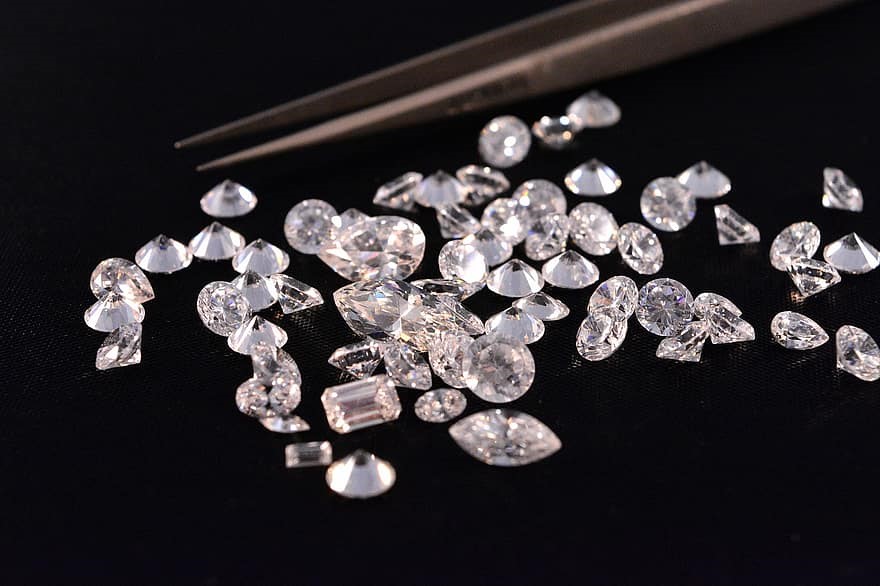
The world has always loved sparkle. From ancient gemstones to modern jewelry, people are drawn to things that shine. But today, a new kind of sparkle is changing the way we see beauty, luxury, and even technology. It’s not just about diamonds anymore.
It’s about how we create, use, and value sparkle in our lives. This shift is being driven by science, sustainability, and fresh ideas. Whether you live in New Zealand or London, the rise of lab diamonds NZ and lab diamonds London is reshaping everything from engagement rings to high-tech devices.
Let’s explore how this new sparkle is making waves across industries and cultures—and what it means for the future.
The Changing Face Of Sparkle: From Earth To Lab
For centuries, the idea of sparkle was tied to natural diamonds. These gems were formed deep in the earth over millions of years. Mining them was costly, dangerous, and often harmful to the environment. But now, a new kind of sparkle is rising: lab-grown diamonds and other synthetic gems.
Lab diamonds NZ are becoming popular for their ethical production and affordable prices. Instead of digging deep into the earth, labs use advanced technology to create diamonds that are chemically and visually identical to mined stones. As a result, more people can enjoy the beauty of diamonds without guilt or breaking the bank.
The appeal goes beyond New Zealand. Lab diamonds London are now in high demand among young buyers who care about sustainability and transparency. According to a 2023 survey by De Beers, about 70% of millennials and Gen Z shoppers prefer lab-grown stones for engagement rings and jewelry. This shows a clear shift in values: people want sparkle, but they also want to know where it comes from.
How Lab-grown Diamonds Are Made
Creating a diamond in a lab is not simple. It takes skill, science, and special equipment. There are two main methods:
- High Pressure High Temperature (HPHT): This method copies the natural process. A tiny diamond seed is placed in a chamber. Intense heat and pressure turn carbon into a bigger diamond. The result is a stone that looks and feels like one from the earth.
- Chemical Vapor Deposition (CVD): Here, a diamond seed is placed in a chamber filled with carbon-rich gas. The gas breaks down, and carbon atoms stick to the seed, building the diamond layer by layer. CVD allows for more control and can produce diamonds with fewer flaws.
Both methods create diamonds that are 100% real—not fake, not imitation. They can be graded, cut, and polished just like mined gems. Even experts often need special tools to tell the difference.
Why Lab Diamonds Are Gaining Popularity
There are several reasons why lab-grown sparkle is on the rise:
- Eco-friendly: Lab diamonds use less water, energy, and land. Mining a carat of diamond can disrupt up to 250 tons of earth. Labs avoid this.
- Ethical: No risk of “blood diamonds” or unfair labor. Production is traceable and transparent.
- Affordable: Prices are 30–40% lower than mined diamonds. More people can afford high-quality stones.
- Customizable: Labs can create diamonds in any shape, color, or size. Unique designs are easier to make.
These benefits are changing how people think about sparkle. For example, lab diamonds NZ have cut the average engagement ring price by half in some stores. In London, couples can order custom rings that fit their values and tastes.
Sparkle Beyond Jewelry: Technology And Innovation
Diamonds are not just for rings. They have amazing properties that make them useful in technology. Lab-grown diamonds are leading the way in:
- Electronics: Diamonds can handle heat and electricity better than silicon. Some new computers use diamond chips for speed and durability.
- Medical tools: Diamond blades and sensors are used in surgery for precision and safety.
- Quantum computing: Diamonds can store and process information at the atomic level, opening new doors for data and security.
These uses show that sparkle is not just about looks. It’s about solving problems and pushing the limits of science.
Comparing Lab-grown And Mined Diamonds
Let’s look at how lab-grown diamonds stack up against natural ones:
| Feature | Lab-Grown Diamond | Mined Diamond |
| Origin | Laboratory (HPHT or CVD) | Earth (mining) |
| Environmental Impact | Low | High |
| Price | 30–40% less | Higher |
| Ethics | Traceable, fair labor | Risk of conflict diamonds |
| Quality | Excellent, customizable | Excellent, natural variety |
| Resale Value | Lower | Higher |
Some buyers still prefer mined diamonds for tradition or investment. But the gap is closing as more people value ethics and innovation.
New Kinds Of Sparkle: Beyond Diamonds
Diamonds are only the beginning. The rise of lab-grown gems includes:
- Moissanite: Almost as bright as diamond, but even more affordable. Made in labs, it is popular for rings and earrings.
- Sapphire and Ruby: Labs can create colorful stones for watches, jewelry, and tech devices.
- Emerald: Lab emeralds are clearer and less fragile than mined ones.
This variety lets designers and buyers choose sparkle that fits their style and values.