
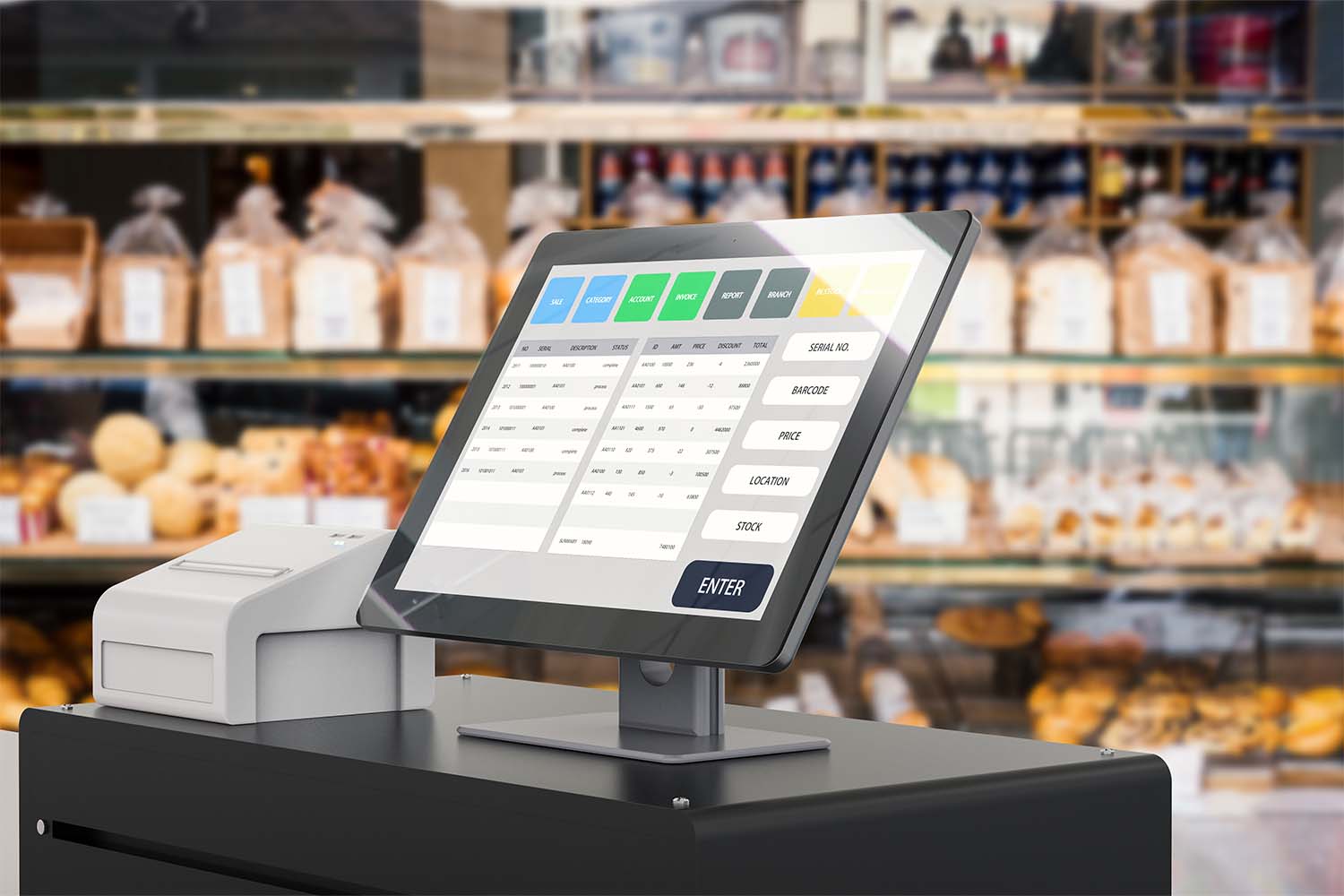
Remember when every single transaction meant a chat with a cashier? While human interaction remains a significant part of a great experience, the demand for speed, accuracy, and autonomy has skyrocketed. The solution? The self service payment kiosk.
These touchscreen powerhouses are no longer just for big-name fast-food chains. They’re reshaping the transaction landscape everywhere you look, from your local corner shop to the hospital lobby. They’re not just a modern convenience; they’re a fundamental shift in how businesses handle volume and how customers expect to pay.
Here’s a look at how the humble self service payment kiosk is becoming the standard for streamlined transactions across diverse sectors.
Why are payment kiosks gaining momentum across industries?
Speed and independence have become universal customer priorities. People want to move at their own pace — especially in hospitality, where peak-time pressure can make traditional ordering feel slow or crowded.
Payment kiosks solve these pain points by:
- Automating routine transactions
- Reducing reliance on counter staff
- Cutting waiting times
- Increasing order accuracy
- Offering customers more control and customisation
- Freeing staff to focus on higher-value tasks such as service, upselling, and problem-solving
From cafés to stadiums and hotels, these benefits translate into measurable business improvements.
1. Energy Saving: Speed Queue Chaos Removal in Quick Service
The first effect of the self-service payment kiosk that is most immediate and recognisable is in Quick Service Restaurants (QSRs) and fast retail.
To such businesses, all that matters is the volume during the peak hours.
- Parallel Processing: A bottleneck exists in traditional counters. There will be three or four kiosks in a bank that will enable more than one customer to place a complex order simultaneously. This can immediately increase capacity to serve without increasing the number of employees on the register.
- The Customer Sets the Pace: Customers can view the entire digital menu, spend as much time as they want customising their selections, and receive a bill as soon as they are ready. Research has demonstrated that such a level of control not only shortens the perceived wait times but also leads to a significantly quicker completion time compared to human-to-human transactions.
- Integrated Kitchen Interaction: After payment, the order will be transmitted directly to the Kitchen Display System (KDS), eliminating the manual process of a staff member entering the details. The purchase is simplified through the process of making selections to production within seconds.
2. Healthcare and Finance Privacy and Efficiency
The self-service payment kiosk offers a level of discretion and speed that is particularly important in areas where sensitive data is required or tedious and repetitive administrative functions are involved.
- Healthcare Check-In: You enter a clinic that is packed with people. Instead of waiting to discuss your ailments or insurance coverage at a general desk, a self-service payment kiosk will enable you to make your appointment, update personal information, and pay co-payments individually and instantly. This minimises the workload on the administration of the receptionists as they attend to the complex needs of patients, and patient confidentiality is preserved.
- Banking and Utility Payments: Although most banks offer online services, kiosks provide a safe and convenient means of accessing necessary financial operations. Customers have the option to make payments on utility bills, carry out account enquiries, or deposit checks at dedicated terminals, typically during the bank’s off-normal working hours. This enables routine activities to be performed automatically, significantly enhancing the performance of the branches.
3. Retail Endless Aisle and Secure Self-Checkout
Self-service payment kiosks in physical retailing have evolved beyond simple self-checkout lanes into a more comprehensive tool for sales and information.
- Integrated Self-Checkout: Self-checkout kiosks that enable customers with smaller baskets to scan, bag, and pay immediately are available in grocery and convenience stores. This significantly reduces labour expenses and keeps the lines moving at a high pace, ensuring customer satisfaction and a quick exit.
- The Transactional Information Hub: The payment kiosk can serve as an information point in the context of electronics or fashion retail. A customer can scan the barcode, display real-time inventory, and view product details, all while purchasing the item instantly, even when it is located in a stockroom. This combination of information and transaction power forms a frictionless shopping experience.
4. Transportation and Hospitality Mobility and Clarity
Whether it is checking in for a flight or paying to park, the self-service payment kiosk brings transparency and quick service in some of the most time-sensitive settings.
- Airport Check-In and Ticketing: The Kiosks enable travellers to skip the check-in line, book seats, print boarding passes, and even purchase checked baggage allowance without needing to go through the check-in line. This not only liberates airline staff to attend to more critical customer service matters but also radically enhances the flow of passengers, especially during peak travel times.
- Parking and Event Ticketing: Automated ATMs are necessary in the parking areas and event centres. They also make the process more standardised, accept a variety of payment methods (card, contactless, mobile wallet), and make payments immediately. There is no mistaking the accuracy, and there is no debate regarding the cost of parking or the cost of a ticket.
Final Thoughts
The rise of the self service payment kiosk isn’t just a technological trend; it’s a response to what customers expect today: speed, convenience, accuracy, and control. From hospitality and retail to healthcare, transport, and entertainment, businesses are embracing kiosks as an essential part of modern operations.
They streamline payments, reduce pressure on staff, and create smoother customer journeys, all while driving higher throughput and improved profitability.
In a world where time and convenience are becoming currency, kiosks aren’t just helping businesses keep up; they’re helping them lead.